Icon Back to School Line Style: A Practical Vector Resource for Streamlined Design Workflows
For designers, marketers, and content creators, the demand for clean, scalable, and versatile visual assets is constant. Whether you are preparing a campaign, building a brand identity, or producing educational materials, having a reliable set of icons can save hours of work. The Icon Back to School Line Style collection offers a focused set of vector graphics designed to be opened, edited, and resized without any loss of quality. This article explores how this resource fits into real-world processes, from initial planning to final delivery, and how you can integrate it smoothly into your own creative or professional routine.
What Is the Icon Back to School Line Style Collection?
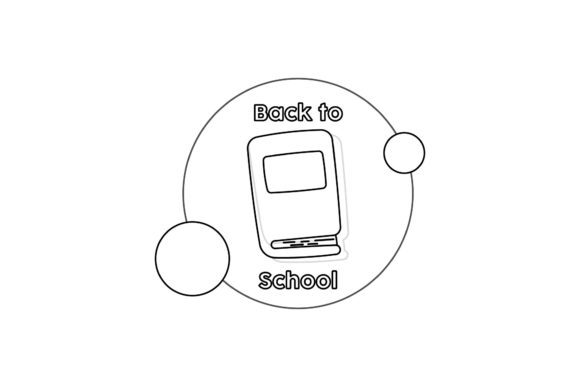
This set is a curated pack of line-style vector icons centered on back-to-school themes. It includes objects like books, pencils, backpacks, graduation caps, and other education-related symbols, all rendered in a consistent, clean line aesthetic. The package contains five file formats: AI (Adobe Illustrator), EPS (Encapsulated PostScript), PNG, JPG, and SVG. This variety ensures that the icons can be used across different platforms, software, and output mediums—from print-ready layouts to web interfaces.
The line style itself is characterized by simple, uncluttered outlines. This makes the icons highly adaptable. They can be combined with other design elements, recolored, thickened, or animated without appearing busy or losing legibility. For professionals who need to maintain visual consistency across a project, a unified icon set like this is a practical foundation.
Where the Icons Fit in a Broader Workflow
Visual assets are rarely used in isolation. They are part of a larger sequence of tasks: research, planning, asset creation, layout, revision, and deployment. Understanding where the Icon Back to School Line Style collection fits into this sequence helps you use it more effectively.
Before the Project Starts: Planning and Asset Preparation
At the beginning of any project—whether it is a school website, an educational app, a promotional flyer, or a series of social media posts—you need to define your visual language. The Icon Back to School Line Style set can serve as a reference point during this planning phase. Because the icons share a consistent stroke weight and style, they can anchor your design system. You can decide early on that your entire campaign will use this line aesthetic, which simplifies later decisions about color, spacing, and typography.
For example, a freelance graphic designer tasked with creating a series of back-to-school email templates can open the AI or EPS file and immediately see what the base icons look like. The designer can then define a color palette that complements the line style, perhaps using the icons as primary visual elements or as supporting accents. Having the vector files on hand from the start eliminates the need to search for individual icons later, reducing interruptions in the creative flow.
During Execution: Integrating Icons into Actual Work
Once the project moves into active creation, the icon set becomes a direct tool. Here are a few practical ways to integrate it into common workflows:
- Web and UI Design: SVG files are ideal for web use because they scale perfectly on any screen size. A web designer building a school portal can import the SVG icons directly into a code editor or design tool like Figma or Sketch. The icons can then be styled with CSS for hover effects or color changes, maintaining a lightweight and responsive interface.
- Print Layout: For printed materials such as banners, flyers, or stationery, the AI and EPS files are the best choices. They can be opened in Adobe Illustrator or other vector software, resized to any dimension without pixelation, and exported as high-resolution PDFs. A small business owner creating a back-to-school sale poster can place the graduation cap icon at 200mm wide without any quality loss.
- Animation and Motion Graphics: The simple line style is well-suited for animation. A video editor or motion designer can import the EPS or SVG files into software like After Effects or Premiere Pro. The clean outlines make it easy to add motion paths, fade effects, or sequential reveals. For instance, an educator producing a welcome-back video can animate a book icon opening, creating an engaging visual without needing to draw the asset from scratch.
- T-Shirt and Merchandise Design: Because the icons are vectors, they can be scaled for large-format printing on apparel or products. A print shop owner can take the AI file, adjust the stroke thickness if needed, and output a single-color screen print design. The consistency of the line style ensures that multiple icons used together on a shirt will feel cohesive.
After Delivery: Archiving, Reusing, and Adapting
A good icon set is not a one-time resource. After a project is completed, the files should be organized for future use. The Icon Back to School Line Style collection can be stored in a shared asset library, accessible for other campaigns or clients. Because the icons are resizable without quality loss, they can be repurposed for completely different contexts—perhaps a tutoring service, a library event, or a corporate training module.
Over time, you may also want to customize the icons. The vector files allow for easy editing. A marketer who needs a unique icon for a specific campaign can open the EPS file, modify a line here or there, and save a variation. This long-term reusability makes the initial download a practical investment.
How the Collection Interacts with Other Tools and Resources
No design resource exists in a vacuum. The value of any icon set depends on how well it works with your existing tools, methods, and assets. Here is how this collection interacts with common professional environments:
- Design Software Compatibility: The AI and EPS files are native to Adobe Illustrator but can be imported into many other vector editors, such as Affinity Designer, CorelDRAW, or even free tools like Inkscape. The SVG format is universally compatible with web technologies and can be used in prototyping tools like Adobe XD or Figma. The PNG and JPG files are fallback options for quick use in word processors, presentation software, or simple image editors.
- Brand Style Guides: If you are building a brand identity for a school or educational business, these icons can become part of your style guide. Their consistent line weight means they will match other line-based assets you might use. You can define a primary color for the icons and a secondary stroke color, ensuring visual unity across all touchpoints.
- Template Systems: Many designers and marketers work with pre-built templates. The icons can be inserted into template layouts for newsletters, social media posts, or print ads. Because they are vectors, they adapt to the template's dimensions without breaking the design.
- Collaboration and Handoff: When working with a team, asset compatibility matters. The EPS and AI formats preserve layers and groups, making it easy for a designer to hand off files to a developer or another designer. The SVG format is especially useful for handoffs to front-end developers who need clean, code-friendly icons.
Practical Implementation Tips for Smooth Integration
To get the most out of the Icon Back to School Line Style collection, consider these workflow-oriented suggestions:
Organize Before You Use
Unzip the downloaded files into a clearly named folder. If you work on multiple projects, create a master assets directory. Label the folder with the theme (Back to School) and the style (Line Style). This makes retrieval quick when you are in the middle of a design session.
Test Compatibility Early
Open each file format in the software you plan to use. Make sure the AI file opens with layers intact in your version of Illustrator. Check that the SVG renders correctly in your web browser or code environment. Doing this at the start prevents surprises later.
Establish a Color and Stroke Convention
Line-style icons gain consistency when you standardize stroke weight and color. Before using the icons across a project, decide whether you will keep them monochrome, use a two-tone approach, or fill them with solid colors. If you are working in a vector editor, create a global style for the line strokes so that any future adjustments propagate across all icons.
Scale Thoughtfully
Because vector files are resolution-independent, you can scale them to any size. However, consider the context. An icon that looks great at 24px on a screen may need a thicker stroke at 200mm on a poster. If needed, adjust the stroke weight proportionally. The EPS and AI files make this easy.
Combine with Other Assets
These icons work well with typography, photography, or other graphic elements. For a balanced layout, pair the line icons with sans-serif fonts and plenty of white space. The simplicity of the line style prevents visual overload when combined with other design components.
Long-Term Value and Quality Control
Investing in a well-constructed icon set pays off over multiple projects. The Icon Back to School Line Style collection, with its vector formats, ensures that you are not locked into a single resolution or application. As your needs evolve—whether you start creating video content, expand into merchandise, or update a website—the same icon files can be reused without degradation.
Quality control is straightforward. Because the icons are delivered in multiple formats, you can always fall back to the vector source if a raster version becomes pixelated. The PNG and JPG files are useful for quick mockups, but the AI, EPS, and SVG files are the ones you will rely on for production-quality work. Periodically review your asset library to ensure that file names and formats remain organized. This habit saves time when you are under deadline pressure.
Real-World Workflow Example: A School Website Redesign
Let us put all of this into context. Imagine a small marketing agency hired to redesign a local school's website. The project timeline includes discovery, wireframing, visual design, development, and testing. Here is how the Icon Back to School Line Style set fits into each phase:
- Discovery: The team reviews the school's existing materials and notes a need for a fresh, consistent visual system. They decide on a clean line style for all icons across the site.
- Wireframing: In the wireframe stage, the designer uses the SVG versions of the icons in Figma to indicate where navigation elements or callout boxes will go. The icons help communicate functionality to the client without needing final art.
- Visual Design: The designer opens the AI file in Illustrator, selects a school-appropriate color palette, and applies it to the icons. The consistent line weight ties together the homepage, about page, and contact page.
- Development: The developer exports the icons as optimized SVG files and integrates them into the site's code. Because the icons are vectors, they remain sharp on retina displays and mobile screens.
- Testing and Launch: The client requests a few icon changes. The designer edits the AI file, and the developer replaces the SVG files. The whole process takes minutes, not hours.
- Post-Launch: The agency saves the AI and EPS files in its shared asset library. Six months later, another school project begins, and the same icon set is reused with a different color palette.
Final Observations
The Icon Back to School Line Style vector design graphic is not just a collection of pretty pictures. It is a practical resource that, when used thoughtfully, can streamline your design workflow, improve consistency across projects, and save time in both the short and long term. Whether you are a freelancer managing multiple small projects, a marketer producing quarterly campaigns, or an educator creating classroom materials, the ability to open, edit, and resize vector icons without quality loss is a genuine advantage. By planning how you will use these files, organizing them well, and integrating them into your standard tools and processes, you turn a simple download into a lasting asset.