Back to School Two Types of Ruler Line – A Complete Guide to Digital Design Files
Every year, as the back-to-school season arrives, teachers, parents, and students begin searching for creative resources to make learning materials more engaging. Among the most versatile and often overlooked tools for educational design are ruler illustrations. Whether you are creating classroom posters, custom stationery, or hands-on math activities, having access to high-quality ruler line art can transform your projects. This article explores the two types of ruler line designs commonly used in digital products, the importance of the file formats included in such packages, and how you can put them to work in your own back-to-school creations.
Understanding the difference between these two ruler styles and knowing which file format to use for your specific task will save you time and frustration. Let’s dive into what makes these digital files so valuable and how they fit into modern education, design, and everyday creativity.
What Do We Mean by “Two Types of Ruler Line”?
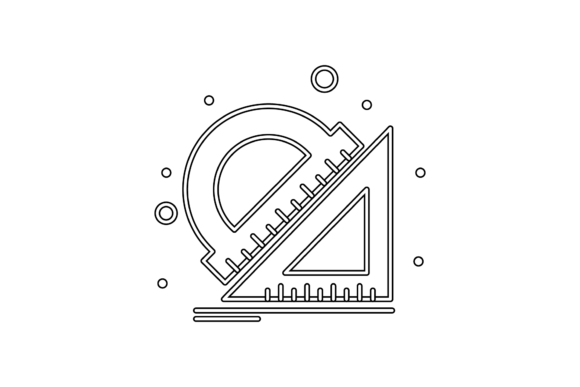
Rulers are one of the first measuring tools we encounter in school. In the world of digital design, a “ruler line” refers to the graphic representation of a ruler – usually a straight-edged measuring tool with markings. The two types typically refer to:
- Standard Ruler Line – A classic ruler design showing inches or centimeters with clear tick marks, often used for general math tasks and classroom decoration.
- Flexible or Curved Ruler Line – A less common but highly useful variation that shows a bendable or curved measuring stick, often used to represent soft rulers or to add a dynamic, playful element to designs.
These two styles can also be categorized by measurement system: some rulers display imperial units (inches), while others show metric units (centimeters and millimeters). In many digital sets, both types are provided so that teachers and designers can choose the one that best fits their lesson plan or creative project.
Why Two Types Matter for Back-to-School Projects
Having access to both ruler styles gives you flexibility. For example:
- Use the standard ruler for teaching measurement, creating worksheets, or labeling size comparisons.
- Use the flexible/curved ruler for craft projects, bulletin board borders, or imaginative storytelling visuals where a rigid ruler might feel too formal.
This dual approach aligns with modern educational practices that emphasize visual variety and differentiated instruction. When you have two distinct ruler lines at your disposal, you can appeal to different learning styles and project needs without starting from scratch.
The Role of Digital File Formats in Back-to-School Creativity
A typical Back to School Two Types of Ruler Line product includes six digital files: AI, EPS, SVG, DXF, JPG, and PNG. Each format serves a specific purpose, and knowing which one to use can make your workflow much smoother. Let’s break them down.
AI (Adobe Illustrator)
The AI file is a native Adobe Illustrator format that preserves all layers, vectors, and editing capabilities. If you are a graphic designer or someone who uses Illustrator for creating classroom materials, this file gives you full control. You can change colors, resize without loss of quality, and combine the ruler with other vector elements. It’s the preferred format for professionals who want to customize every detail.
EPS (Encapsulated PostScript)
EPS is a versatile vector format that can be opened in many design programs, including older software. It’s widely used in print shops and educational publishing. If you are preparing a ruler illustration for a textbook or a large poster, EPS ensures your lines stay crisp at any size.
SVG (Scalable Vector Graphics)
SVG is the go-to format for web and screen-based projects. Because SVG files are code-based and highly scalable, they are perfect for interactive whiteboard activities, educational apps, and website graphics. Teachers who build their own digital lessons often prefer SVG for its small file size and ability to be styled with CSS.
DXF (Drawing Exchange Format)
DXF is a CAD (computer-aided design) format that is essential for cutting machines like Cricut, Silhouette, or laser cutters. If you plan to create physical ruler stencils, stickers, or cut-out decorations for your classroom, the DXF file allows the machine to interpret the ruler line accurately. This format is a favorite among crafty educators and DIY enthusiasts.
JPG and PNG (Raster Formats)
JPG and PNG are bitmap (raster) images. While they are not infinitely scalable like vectors, they are immediately usable in word processors, presentation software, and photo editors. PNG supports transparency, making it ideal for placing a ruler illustration on a colored background without a white box. JPG is great for quick previews or when file size needs to be small.
Practical Applications for Back-to-School Designs
Now that you understand the file types, let’s look at how you can use the two ruler lines in real-world educational and creative settings.
For Teachers
- Worksheets and handouts – Embed a ruler image at the bottom of a math worksheet so students can practice measuring without needing a physical ruler.
- Classroom posters – Create a colorful measurement anchor chart using the standard ruler line, and use the curved ruler for decorative borders.
- Digital lessons – Use the SVG file in Google Slides or PowerPoint to add interactive measuring activities.
For Parents and Homeschoolers
- Custom flashcards – Print ruler illustrations on cardstock to help children learn units of length.
- Scrapbooking and memory books – Use the curved ruler line to add a playful school-themed accent to your child’s portfolio.
- DIY classroom decorations – Use the DXF file with a cutting machine to create felt or paper rulers for a hands-on math center.
For Designers and Small Business Owners
- Clip art sets – Incorporate the two ruler styles into your own product listings for back-to-school bundles.
- Print-on-demand products – Create mugs, tote bags, or T-shirts featuring ruler designs for teachers.
- Educational app assets – Use the AI or SVG files to build measurement games or interactive e-books.
Common Misunderstandings About Ruler Line Art
When people first encounter digital ruler files, a few misconceptions often arise. Let’s clear them up.
Misunderstanding 1: “All ruler lines are the same.” While a ruler may seem like a simple shape, the precision of tick marks, the spacing of numbers, and the overall style vary greatly. The two types offer distinct aesthetics and functional differences. A curved ruler line can suggest motion or flexibility, while a standard ruler feels more traditional and authoritative.
Misunderstanding 2: “Vector files are only for professionals.” This is no longer true. Free tools like Inkscape and online SVG editors make vector editing accessible to anyone. Even if you are a beginner, you can open an SVG file and change its color or size without expensive software.
Misunderstanding 3: “Ruler clip art is only for math class.” Ruler images are surprisingly versatile. They appear in art projects, design mockups, infographics, and even fashion illustrations. The back-to-school context is just one of many applications.
How to Choose the Right File for Your Project
To help you get started, here is a simple decision guide:
- If you need to edit the design extensively (change colors, add text, rearrange elements), use the AI or EPS file.
- If you are working on a website, app, or digital presentation, choose SVG for the best scalability and small file size.
- If you plan to cut the design with a machine (Cricut, Silhouette, laser cutter), use the DXF file.
- If you need a quick, ready-to-use image for a Word document or social media post, use PNG (with transparency) or JPG.
This approach ensures that you always pick the format that matches your tool and your skill level.
Tips for Getting the Most Out of Your Ruler Line Files
- Keep the canvas size in mind. The product specifies a 1920px × 1280px canvas. This is a standard widescreen ratio, ideal for presentations and digital displays. If you need a different aspect ratio, use the vector files to crop or resize without distortion.
- Layer your designs. In AI or EPS, keep the ruler lines on separate layers. This allows you to combine them with other back-to-school elements like pencils, apples, or chalkboards.
- Use the transparent PNG for quick mockups. When you are in a hurry, the PNG file saves time because it already has a transparent background. You can drop it into any layout instantly.
- Experiment with both ruler styles. Don’t limit yourself to one. The curved ruler can add energy to a design, while the standard ruler brings clarity and structure. Use them together for contrast.
Why This Topic Matters in the Age of Digital Learning
Education is increasingly blending physical and digital tools. Having a library of high-quality, scalable ruler illustrations supports this hybrid environment. A teacher might project an SVG ruler on a smartboard while students hold a printed version from the same PDF. A parent might cut a DXF ruler out of felt for a tactile learning activity. The same digital files bridge these different experiences.
Furthermore, understanding file formats is a valuable digital literacy skill. When we teach students or colleagues about AI, EPS, SVG, DXF, JPG, and PNG, we are not just talking about clip art — we are talking about how information is stored, shared, and transformed. The humble ruler becomes a gateway to broader concepts in design, technology, and communication.
Conclusion
The Back to School Two Types of Ruler Line product offers more than just a set of graphics. It provides a toolkit for creativity, education, and practical design. With both standard and curved ruler styles, and six carefully chosen file formats, you have everything you need to create professional-looking materials for the classroom, home, or business.
Whether you are a teacher preparing lessons, a parent organizing a study corner, a designer building a product line, or a student working on a project, these digital files give you a head start. By understanding the strengths of each format and the unique value of each ruler style, you can make informed choices that save time and elevate your work.
So the next time you see a set of ruler line files, remember: it’s not just about lines on a page. It’s about measurement, creativity, and the many ways we learn and teach in a visual world. Embrace the two types, explore the formats, and make your back-to-school projects truly stand out.
Thank you for visiting this product – and happy creating!